
A roof insurance claim in Texas follows a set order, and a roofer has a defined place in it. Filing is your call. The claim is between you and your insurer. Our part is the roof. We inspect it for free and show you what we found. We explain each step of a claim before it happens. If you file, we can meet the adjuster at your house. If your insurer approves the work, we build to the approved scope, and we stay until the job is finished and paid for.
Most homeowners go years between storms, so plenty of the people who call us have never filed a roof claim. That's normal. Nobody hands you a manual when the hail stops, and the paperwork uses words most people never need until the day they do.
This fall gave a lot of families their first claim. The September 11, 2026 storm dropped hail up to 1.5 to 1.75 inches across east San Antonio, including Converse, Kirby, China Grove and St. Hedwig. A week earlier, on September 4 and 5, hail hit northwest Laredo and Ranchos Penitas West. Here's how a Texas roof claim actually runs.
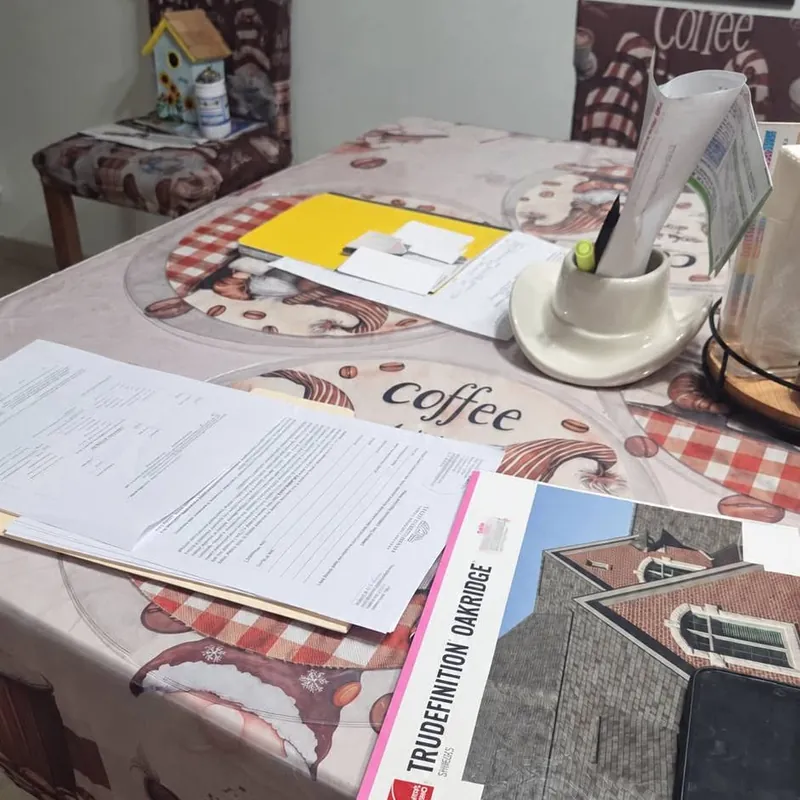
How a Roof Insurance Claim Works, Step by Step
Every insurance company has its own forms, but the order of events on a residential roof claim is much the same from one carrier to the next.
1. A free inspection, so you know what is on the roof
Before you call your insurer, it helps to know whether the roof is actually damaged. Hail bruises on shingles, cracked or missing tiles, dented vents and lifted edges are hard to see from the yard. We go up, check every slope, and look at the vents and flashing too. If the roof came through fine, we say so. Then you decide what to do next. Our hail and storm damage page covers what hail does to a roof.
2. Filing
A claim is filed by the policyholder. If you go ahead, your insurer gives you a claim number and schedules an adjuster. Check your policy or ask your agent how long you have to report storm damage. Policies set their own time limits, and waiting can work against you.
3. The adjuster's visit
The adjuster works for your insurance company. We can be at the house when the adjuster looks at the roof. Have your questions ready; that visit is a good time to ask them.
4. The insurer's decision
After the visit, the insurer decides what it will approve and sends its estimate, often called the scope of loss. Approved work is what we build. Before anything starts, you sign a contract written in plain English, so you can read exactly what you're agreeing to.
5. When more damage turns up
Sometimes damage nobody could see from the surface shows up once the old roofing comes off. Insurers have a process for this, usually called a supplement: the additional items go back to the insurance company, which reviews them and decides whether to add them. It's a normal part of many roof claims, not a sign that something went wrong.
6. The work, and the final payment
The work itself may be a roof replacement or a roof repair, depending on what was damaged. Customers mention a crew that works quickly and leaves the property clean.
Many homeowner policies in Texas pay a roof claim in two parts. The first payment is the actual cash value: the replacement cost minus depreciation for the age of the roof. The amount held back, called recoverable depreciation, is released after the work is complete and the insurer receives proof of completion. Some Texas policies pay roofs at actual cash value only, with no held-back depreciation, so check whether yours has a roof endorsement.
What Texas Law Says About Roofers and Insurance Claims
Texas Insurance Code §4102.163 bars a contractor from acting as a public adjuster on a property it works on. Representing you to your insurer is a job for a licensed public adjuster or an attorney. A roofer's role is the roof: inspecting it, explaining how the process runs and doing the approved work.
That line makes it easier to size up any roofer, including us. One who inspects the roof, explains the steps and leaves every decision with you is staying on the right side of it.
Staying With the Job to the End
A roof can go on in days while the paperwork behind it takes much longer, and the last payment on a claim is often the slowest part. Done means finished and paid for.
We work with homeowners across San Antonio, in Converse and the rest of east San Antonio, and in Laredo. Hail that bruises shingles often hits the walls too; see siding and exterior painting. Solar panels have to come off before a roof can be replaced, which is covered on our solar panel removal and reinstall page.
What You Get From Us on a Storm Job
- The owner answers. Your call or form goes to Richard, the owner, so the person you talk to is the person responsible for your roof.
- Patient explanations. Customers say Richard took the time to explain how a claim runs, even to first-time homeowners.
- A free inspection first. It costs nothing to find out where your roof stands.
- Reviews going back to 2018. Our Google reviews span years of jobs, including a homeowner who hired us twice.
We answer 7 days a week, 8 AM to 9 PM. Call (210) 771-4631 or send the form to set up a free inspection before you file.